

Exotic Pet Veterinarian in Rochester, MN
Specialized Care for Small Mammals, Reptiles, and Other Unique Pets
Your exotic pet may be furry, scaled, tiny, or a little unusual, but the role they play in your family is anything but small. At Animal Health Care Veterinary Hospital, we provide compassionate exotic pet care in Rochester, MN, with attention to the unique health, nutritional, and environmental needs of each species.
Our veterinarian, Dr. Taylor Wallace, has more than five years of hands-on experience working with exotic pets and especially enjoys reptile medicine. Dr. Wallace is not a board-certified exotic animal specialist, but her experience allows our veterinary team to care for many small mammals, reptiles, and select fish species.
Whether you have questions about your rabbit’s diet, your bearded dragon has stopped eating, or your snake is showing unusual behavior, we are here to help you determine the right next step.
What Exotic Pets Do We Care For?
Different exotic species have very different medical and husbandry needs. Our veterinary team takes these differences into account when evaluating each patient.
Small Mammals
Our small mammal patients may include:
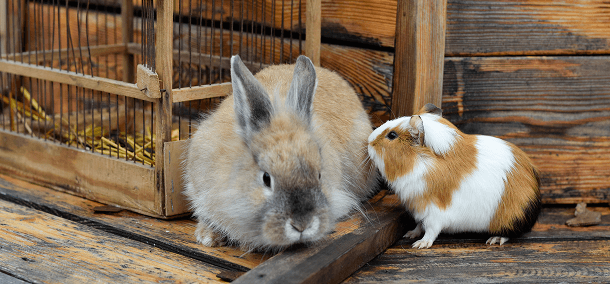
- Rabbits
- Guinea Pigs
- Chinchillas
- Ferrets
- Rats
- Mice
- Hamsters
- Gerbils
- Sugar Gliders
- Other Small Companion Mammals
Reptiles
Our reptile patients may include:
- Snakes
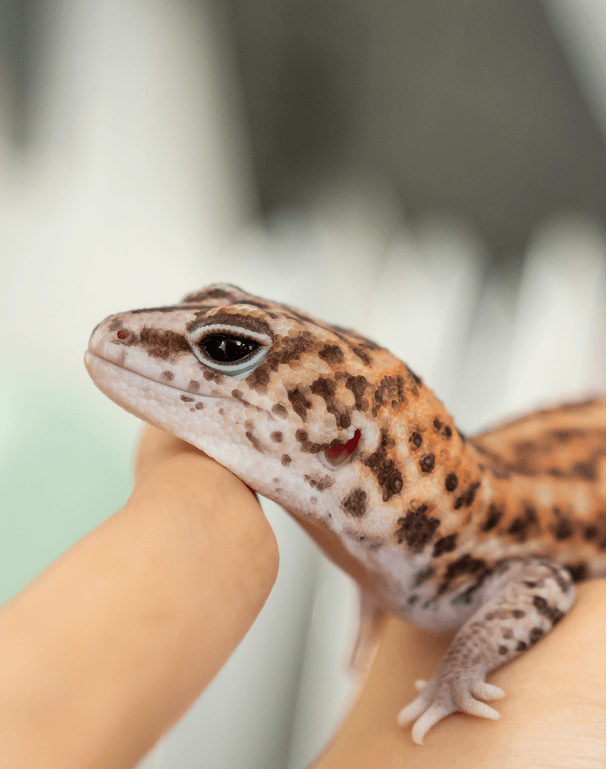
- Bearded dragons
- Geckos
- Chameleons
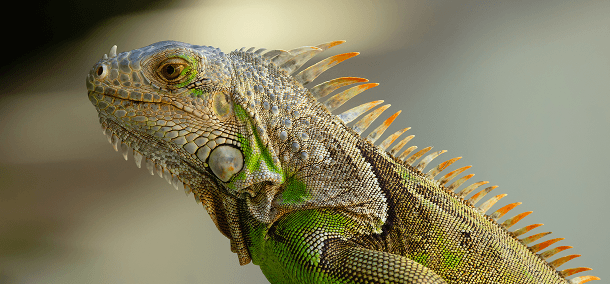
- Iguanas
- Turtles
- Tortoises
- Other lizards and reptiles
Dr. Wallace has a particular interest in reptile medicine and enjoys helping owners understand how nutrition, temperature, humidity, lighting, and habitat can influence reptile health.
Select Fish Species
Dr. Wallace may also see some fish species. Whether we are the right choice for your fish depends on the species, medical concern, available treatment options, and your budget.
Please contact our veterinary team before scheduling a fish appointment so we can learn more about your pet and determine whether we can provide appropriate care.
At this time, we do not provide veterinary care for avian species, including pet birds, poultry, or ducks.
Veterinary Services for Exotic Pets
Exotic pets can have health needs that differ significantly from those of dogs and cats. Routine veterinary care can help identify concerns early while giving you an opportunity to ask questions about your pet’s everyday care.
Wellness and Preventive Exams
Regular veterinary check-ups are an important part of caring for exotic pets, even when they appear healthy. During a wellness examination, our veterinarian may assess your pet’s:
- Weight and body condition
- Teeth and mouth
- Eyes and skin
- Breathing
- Mobility
- Behavior
- Overall physical condition
Wellness visits also give us time to discuss diet, housing, enrichment, and other factors that may affect long-term health.
New Exotic Pet Exams
Welcoming a new rabbit, reptile, or small mammal often comes with questions. Our veterinary team can help you review your new companion’s diet, enclosure, heating, lighting, humidity, handling, and daily care.
If possible, bring information from the breeder, rescue, pet store, or previous owner to your appointment.
Sick-Pet Examinations
Small changes can sometimes be significant in exotic animals. Contact us if you notice concerns such as:
- Reduced appetite or refusal to eat
- Weight loss
- Diarrhea or unusual stool
- Vomiting or regurgitation
- Changes in urination
- Difficulty breathing
- Eye, nose or mouth discharge
- Skin or shedding problems
- Lumps, swelling or wounds
- Abnormal shedding
- Weakness or reduced activity
- Changes in movement or balance
- Dental or oral concerns
- Behavioral changes
If something seems different about your pet, calling early can help our veterinary team determine whether an examination is appropriate.
Nutrition and Habitat Guidance
For many exotic pets, good health begins with appropriate nutrition and habitat conditions. Small changes in temperature, humidity, lighting, diet, or enclosure setup can have a meaningful effect on certain species.
Depending on your pet, our veterinarian may discuss:
- Appropriate foods and feeding schedules
- Vitamins or other supplements
- Enclosure size and setup
- Bedding or substrate
- Heat sources and temperature gradients
- Humidity
- UVB lighting
- Hiding areas and enrichment
- Safe handling
- Social and behavioral needs
Consider bringing photos of your pet’s enclosure to the appointment. These images can help our veterinary team better understand your pet’s home environment.
Diagnostic Testing for Exotic Pets
If your exotic pet is sick or showing unusual symptoms, diagnostic testing may help us learn more about the cause.
Depending on your pet’s species, size, condition, and medical needs, testing may include:
- Fecal or parasite testing
- Blood testing
- Urinalysis
- Digital radiographs
- Ultrasound
- Microscopic examination
- Culture or other laboratory testing
Not every diagnostic test is appropriate for every exotic animal. Dr. Wallace will discuss which options may provide useful information while considering your pet’s individual needs.
Exotic Pet Surgery and Procedures
Some procedures and surgeries for exotic pets can be performed at Animal Health Care Veterinary Hospital. Other cases may require equipment, monitoring, or 24-hour support that is better provided by a specialty facility.
Dr. Wallace will be upfront with you if examination findings indicate that referral is the safer choice. The recommendation will depend on your pet’s species, condition, procedure, and level of care required.

Why Choose Animal Health Care Veterinary Hospital?
Finding an exotic pet veterinarian in Rochester, MN who is familiar with your pet’s species can make routine and sick visits easier.
At Animal Health Care Veterinary Hospital, you can expect:
- More than five years of hands-on exotic animal experience from Dr. Wallace
- A strong interest in reptile medicine
- Species-specific recommendations
- Access to diagnostic capabilities when appropriate
- Thoughtful, low-stress handling
- Clear explanations about findings and treatment options
- Honest conversations about when specialty referral may be best
Our goal is to work with you so you can make informed decisions about your pet’s care.
Preparing for Your Exotic Pet Appointment
To help us learn as much as possible about your pet, consider bringing:
- Photos of foods, treats, and supplements
- Photos of the enclosure
- Temperature, humidity, and lighting information
- Previous veterinary records
- Current medication information
- Photos or videos of concerning behavior
- A fresh stool sample if requested
Transport your pet in a secure, species-appropriate carrier. Minnesota weather can be especially challenging for reptiles and small mammals, so protect your pet from extreme heat or cold while traveling.
When Should My Exotic Pet See a Veterinarian?
Contact our veterinary team promptly if your pet develops a sudden loss of appetite, little or no stool production, breathing difficulty, severe weakness, bleeding, trauma, major swelling, difficulty moving or urinating, repeated vomiting or regurgitation, or a significant behavioral change.
Some exotic animals naturally hide signs of illness. Regular veterinary check-ups, along with close observation at home, can help you stay informed about your pet’s health.
Critically ill animals or pets needing care outside our available hours may require an emergency or specialty facility.
Give Your Exotic Pet the Care They Need
Your exotic companion deserves veterinary care that considers their individual species, lifestyle, and needs. Animal Health Care Veterinary Hospital provides exotic pet care for small mammals, reptiles, and select fish species in Rochester, Minnesota and surrounding communities.
Whether you are scheduling a routine wellness examination or have concerns about your pet’s health, our veterinary team is ready to help.
Call (507) 282-3828 or use our online appointment request form to get started.
Frequently Asked Questions
What types of exotic pets do you see?
We care for many small mammals and reptiles, including rabbits, guinea pigs, ferrets, chinchillas, rodents, sugar gliders, snakes, bearded dragons, geckos, turtles, tortoises, and other reptiles. Please call if your species is not listed.
Do you see birds, poultry, ducks, or fish?
We do not currently see avian species, including pet birds, poultry, or ducks. Dr. Wallace may see select fish species depending on the species, concern, treatment options, and budget. Please contact us first.
Is Dr. Taylor Wallace a board-certified exotics specialist?
No. Dr. Wallace is not a board-certified exotic animal specialist. She has more than five years of hands-on experience caring for exotic pets and particularly enjoys working with reptiles. We will recommend specialty referral when a patient’s needs fall outside the care we can appropriately provide.
Do exotic pets need routine wellness examinations?
Yes. Routine examinations allow our veterinarian to assess your pet’s health and discuss nutrition, habitat, behavior, and preventive care. Because some exotic animals can hide signs of illness, regular examinations can be particularly valuable.
Do you perform surgery on exotic pets?
Some exotic pet surgeries and procedures may be performed at our hospital. Dr. Wallace evaluates each patient individually and will discuss referral if a board-certified specialist or facility with 24-hour care is the safer choice.